How to Read This Gallery as a Serious Buyer
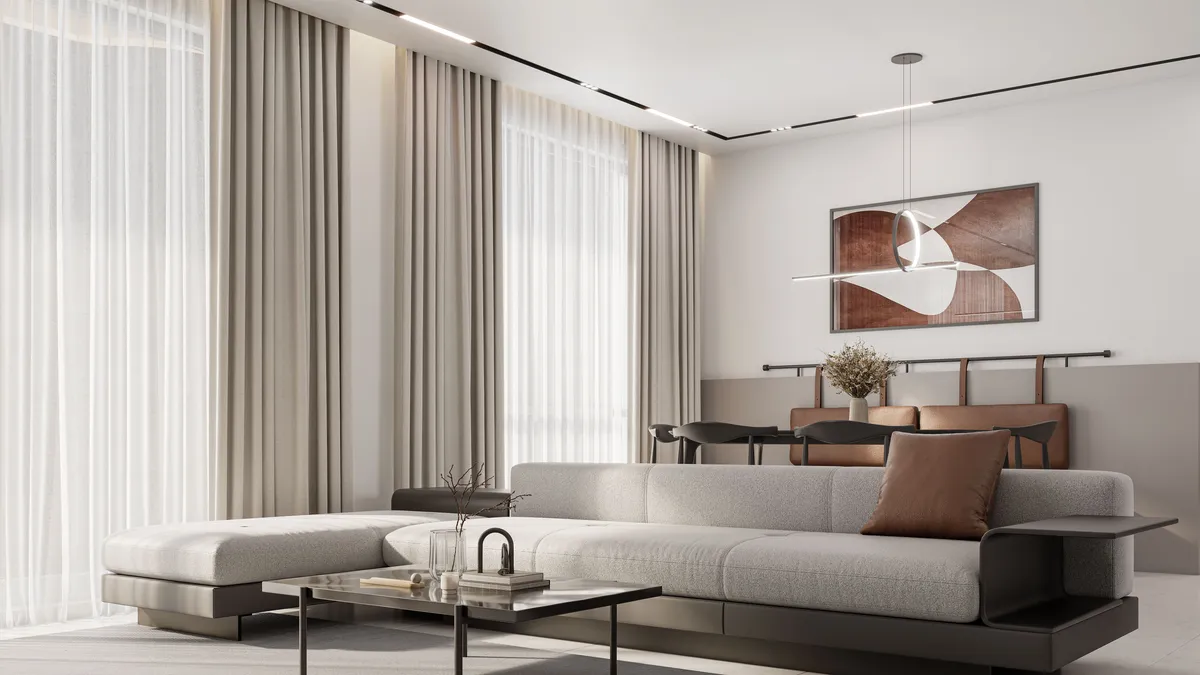
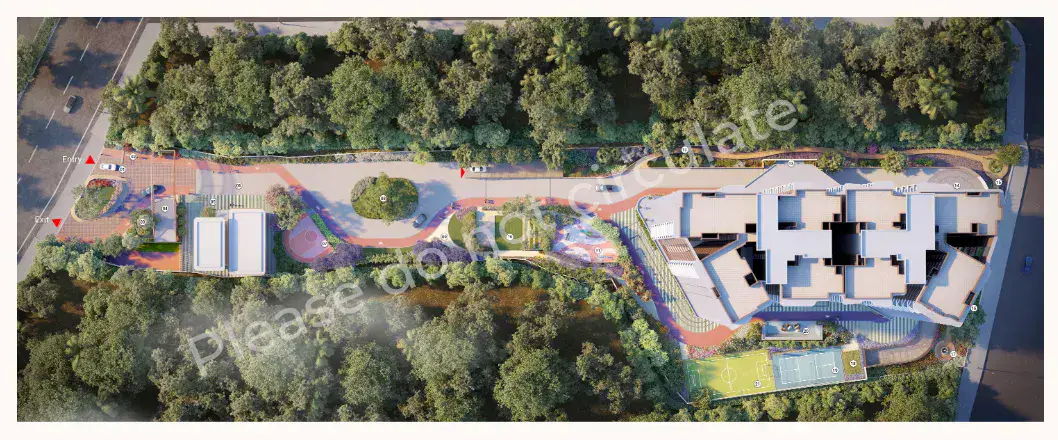
Most real-estate galleries are consumed passively. A more useful approach is to read each image as a design signal. In this project, the visual set points to three recurring priorities: low visual clutter, a premium finish expression, and clear separation between architecture and open-space framing. The aerial frame establishes site character; the exterior frame communicates facade tone and massing; the interior references convey lifestyle expectations and material aspiration.
Because Purva Skye is in a pre-launch window, visuals should be interpreted as representational references, not as legal construction drawings. That does not make them irrelevant. They still help you evaluate whether the project’s design language aligns with your taste and whether the launch is positioned as true premium or marketing-level premium. The key is to pair visual impressions with technical documents and specification sheets before taking a commercial call.
For families buying for self-use, interior references are especially useful to test whether room proportions and furnishing logic feel practical for real life. For investors, exterior and aerial views provide clues about long-term marketability, because facade identity and campus coherence influence resale perception even when square footage is comparable across competing projects.
Gallery-Led Comparison Strategy Across Competing Projects
When shortlisting premium projects, use the same gallery-reading framework across all options to avoid presentation bias. Start with the aerial view and ask whether the site appears spatially constrained or visually breathable. Move next to exterior visuals and evaluate facade consistency, balcony rhythm, and whether the building language feels timeless or trend-dependent. Finally, inspect interior references for practical detail: window proportion, furniture feasibility, circulation clarity, and natural-light direction cues.
This method helps you avoid over-indexing on dramatic hero renders that may not reflect lived reality. In high-ticket decisions, visual coherence often correlates with planning maturity. Projects that show consistent visual logic across aerial, facade, and interior references are usually more disciplined in design execution. Projects with highly fragmented visual language may still succeed, but they deserve deeper scrutiny during document review and site visit stages.
Another useful technique is to compare visual narrative with pricing narrative. If a project is priced at premium levels, the gallery should communicate premium planning confidence-not only luxury symbolism. For Purva Skye, the visual emphasis on low-density premium positioning appears consistent with its pricing and product story. Buyers should still validate with plans and specifications, but the image set does not conflict with the launch proposition.
Finally, keep a practical record while reviewing visuals: what is confirmed, what is illustrative, and what needs document backup. This simple habit improves decision quality dramatically.